
Long before most people’s alarms even go off, dairy producers are already hard at work. Milking equipment is running, feed is being mixed, pens are being checked, and calves are being cared for. The work is demanding—sometimes grueling—and constantly evolving as milk markets, labor availability, and environmental conditions continue to change.
This June Dairy Month, we’re shining a light on the people behind the industry, the realities of modern dairy production, and the work it takes to keep modern dairy operations moving year-round.
A Brief History of National Dairy Month
June is National Dairy Month, and if you work in agriculture, you already know the relevance of this tradition. But for the rest of the country, it’s a good reminder that the dairy products in your fridge require many hands and processes to reach and nourish your household.
Dairy month has been around since 1937, when grocery chains launched what was then called “National Milk Month” to help manage seasonal surges in milk production. June is historically when cows hit peak production as fresh spring pasture, comfortable temperatures, and longer days all contribute to increased milk output. Retailers had more supply than they knew what to do with, and this campaign was a practical fix to the supply-and-demand problem.
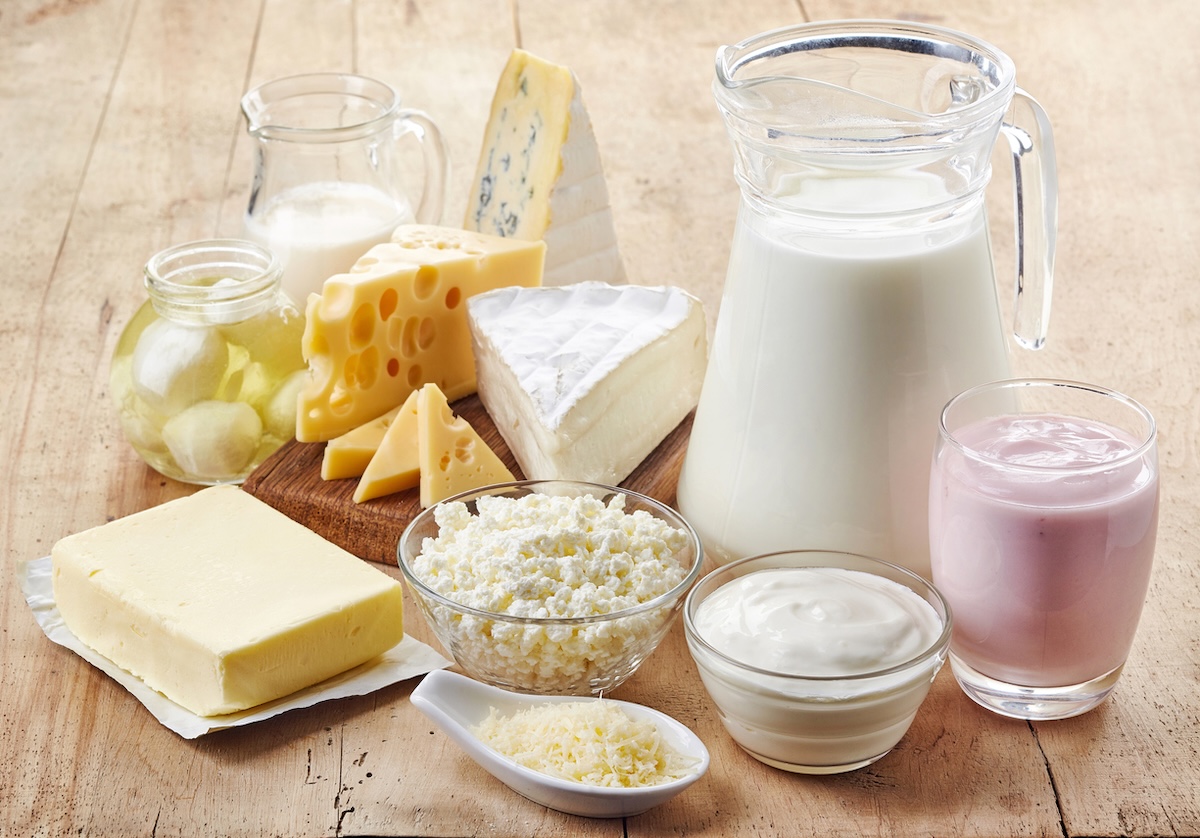
In 1939, sponsorship transitioned to the American Dairy Association, which renamed the observance “National Dairy Month” to reflect the full range of dairy products: cheese, butter, ice cream, yogurt, and more. Almost 90 years later, it still runs every June. And if anything, it’s more meaningful now than it’s ever been since most people are further removed from the farm than any previous generation.
The Daily Demands of Modern Dairy Farming
Modern dairy farms look very different than they did when National Dairy Month first began. Today’s operations rely on advanced feeding programs, herd-monitoring systems, detailed nutrition management, and production-tracking tools to improve consistency and efficiency. At the same time, there are no true “off days” for dairy producers, and many of the industry’s core demands haven’t changed at all.
Herds need care seven days a week, in every season, regardless of market fluctuations and weather conditions. And producers are managing a lot at once:
- Animal health and herd monitoring: Catching issues early before they affect production or spread through the herd
- Forage quality and feed management: Maintaining consistency in what cows eat
- Reproduction and fresh cow care: Keeping pregnancy rates strong and transition cows healthy
- Labor, facilities, and equipment: Keeping the physical operation running reliably day after day
Even small changes in one area can affect overall performance and profitability. For example, weather affects crop yields, and labor is becoming harder to find than it used to be. What’s remarkable is that dairy producers navigate all of it simultaneously, while still maintaining high standards for animal care, milk quality, and operational efficiency. Doing all of that well, day after day and season after season, is what makes a dairy producer’s work unlike almost any other.
National Dairy Month Facts Worth Knowing
The dairy industry reaches far beyond grocery store shelves. These June Dairy Month facts help show just how broad the industry’s impact really is.
- The U.S. produces around 231 billion pounds of milk a year. That milk comes from roughly 9.45 million dairy cows across about 24,000 operations nationwide.
- Dairy farming exists in all 50 states. From smaller family-run dairies to large commercial operations, dairy production remains an important part of agriculture across the country.
- The average dairy cow produces close to 24,000 pounds of milk per year. That’s nearly triple what the average cow produced in 1970, the result of improvements in genetics, veterinary care, and nutrition management over the decades.
- Dairy cows consume a surprising amount of water. High-producing dairy cows may drink 30 to 50 gallons of water per day, depending on weather and production levels.
- Dairy products provide several important nutrients. Milk, yogurt, and cheese contain calcium, protein, potassium, vitamin A, and vitamin B12. (census.gov)
- The dairy industry supports entire rural economies. The International Dairy Foods Association estimates the total economic impact of U.S. dairy at around $780 billion, supporting $198 billion in wages and more than 3 million jobs across farming, processing, transportation, nutrition, veterinary care, and retail.
- Technology now plays a larger role on dairy farms. Many operations use real-time monitoring systems to track herd activity, production trends, and feeding behavior more efficiently.
- Most U.S. dairy farms are still family-owned. Despite significant consolidation over the years, roughly 95% of dairy operations remain family-run.
- It takes more milk than most people realize to make everyday products. About 10 pounds of milk goes into one pound of cheese, 21 pounds into a pound of butter, and 12 pounds into a single gallon of ice cream.
Feed Management Plays a Major Role in Herd Performance
Behind all those facts and figures is a daily operational reality that every dairy producer knows well: feed. Feed directly affects everything from milk production to herd health and reproductive performance. This is why precision nutrition has become such a major focus throughout the industry.
Most modern dairies feed their herds a Total Mixed Ration (TMR), which blends forages, grains, protein sources, minerals, and vitamins into a uniform mix. The idea is that every bite a cow takes delivers the same nutrient profile, which is carefully balanced to support:
- Milk production
- Rumen health
- Reproductive performance
- Feed efficiency
- Overall herd condition
Many dairy producers work closely with nutritionists and feed suppliers to build custom rations tailored to their herd’s needs, forage conditions, stages of life, and production goals. Reliable support and consistent ingredient quality contribute to long-term success on the farm. That’s why producers need feed partners they can count on and why Star Blends works alongside producers and their nutritionists to help support consistency year-round.
Recognizing the People Behind Every Dairy Product
Dairy producers don’t do this work for the recognition. But they deserve it anyway.
Every June Dairy Month is a chance to acknowledge the producers checking their herds before sunrise. The employees working through weekends and challenging weather conditions. The nutritionists balancing feed programs. The families continuing operations passed down for generations. The work it takes to keep this industry running — the early mornings, the long seasons, the constant problem-solving, and the commitment to doing right by the animals, the consumers, and the land year after year.
Most producers will spend this month doing exactly what they do every other month: showing up, adapting, and getting it done. That’s worth celebrating.
National Dairy Month and Beyond: Star Blends Supports Dairy Producers Year-Round
This National Dairy Month, we’re proud to support the producers who keep the industry moving forward. At Star Blends, we work alongside dairy operations and their nutritionists to provide custom feed solutions that support herd performance and consistency year-round. If you’re looking to strengthen your feeding program, connect with our team to learn how we can support your operation.