
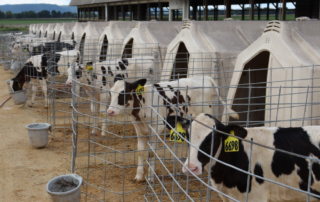
Colostrum Management: Setting Newborn Calves Up for Success
Colostrum is a newborn calf’s first meal, and it kickstarts both its digestive tract and early immune protection. That’s why it’s critical to feed colostrum as soon as possible, ideally within the first 1–2 hours after birth. Before feeding colostrum, producers should know how much a calf needs and how to evaluate colostrum quality. It also helps to know which common mistakes can reduce its effectiveness. Read on for key colostrum management tips that give newborn calves a strong start. What Is a Calf’s First Colostrum? “First colostrum” is the first milk the dam produces after calving. It’s rich in concentrated antibodies, mainly immunoglobulin G (IgG). It also supplies fat-soluble vitamins like A and E, along with other critical nutrients and biologically active compounds. Calves receive almost no antibodies through the placenta, so theyRead More
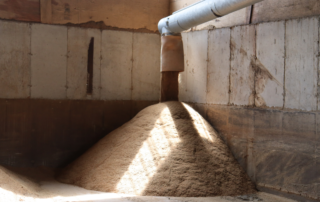
Feeding Distillers Grains to Dairy Cows: Benefits, Considerations, and Best Practices
Including distillers grains in your dairy cattle’s mixed ration can provide a cost-effective source of protein, energy, fiber, fat, vitamins, and minerals. Ethanol production removes most starch from corn, leaving the highly concentrated nutrients your herd can benefit from. When sourced and balanced correctly, distillers grains can replace portions of soybean meal and corn. They support milk production and can improve the cost-effectiveness of feed. Read on to learn what distillers' grains are, which type to use, and what useful benefits they can offer to your dairy cattle feed and farm as a whole. What Are Distillers Grains? Distillers grains are the co-products of grain-based ethanol production. Most of the ethanol industry in North America uses corn, but distillers grains from wheat, sorghum, and other grains can be incorporated into dairy and beef cattle diets. Read More
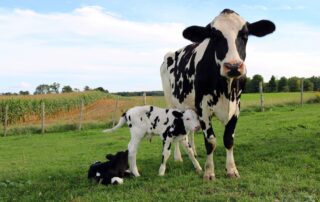
Milk Fever in Dairy Cows: Causes, Symptoms, and How to Prevent It
Milk fever is a dangerous condition that can affect a cow's health and productivity — and your overall dairy farm profitability. With effective dairy cow feed management, you can reduce clinical milk fever cases to below 1%, according to the University of Minnesota Extension. Read on to learn how to prevent milk fever in cows, what causes it, and the symptoms to look out for. What Is Milk Fever in Cows Parturient paresis, otherwise known as milk fever, is a condition in which a cow’s blood calcium drops around calving. It can cause severe symptoms of weakness and death if untreated. While most well-managed farms avoid the worst cases today, mild and subclinical milk fever are widespread and affect cow health and performance. Milk fever can also be a gateway disease. Low blood calciumRead More
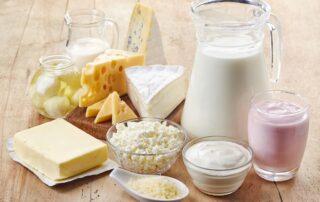
National Dairy Month: Celebrating the Producers Behind the Industry
Long before most people’s alarms even go off, dairy producers are already hard at work. Milking equipment is running, feed is being mixed, pens are being checked, and calves are being cared for. The work is demanding—sometimes grueling—and constantly evolving as milk markets, labor availability, and environmental conditions continue to change. This June Dairy Month, we’re shining a light on the people behind the industry, the realities of modern dairy production, and the work it takes to keep modern dairy operations moving year-round. A Brief History of National Dairy Month June is National Dairy Month, and if you work in agriculture, you already know the relevance of this tradition. But for the rest of the country, it's a good reminder that the dairy products in your fridge require many hands and processes to reachRead More